Physical scale
Is the effect large enough to matter? Put rates, quantities and timescales into a common frame.
Climate scientist · Bergen, Norway
Climate scientist · Author · Decision-support tools
I study the physical processes behind climate change, from Arctic sea ice and the atmosphere close to the ground to the information people need for local decisions. I also write and build tools that make assumptions easier to examine and put the answers in context.
About Richard ↗
Senior Researcher
Nansen Environmental and Remote Sensing Center
Research community
Bjerknes Centre for Climate Research
Physics PhD · York University, Canada
Climate research since 2011
The connecting thread
Making complex climate science quantitatively understandable and useful. Across different subjects, I return to three principles.
Is the effect large enough to matter? Put rates, quantities and timescales into a common frame.
Keep the assumptions visible, distinguish evidence from scenarios, and make uncertainty inspectable.
Turn complex information into figures, metrics and tools that someone else can question and use.
Research themes
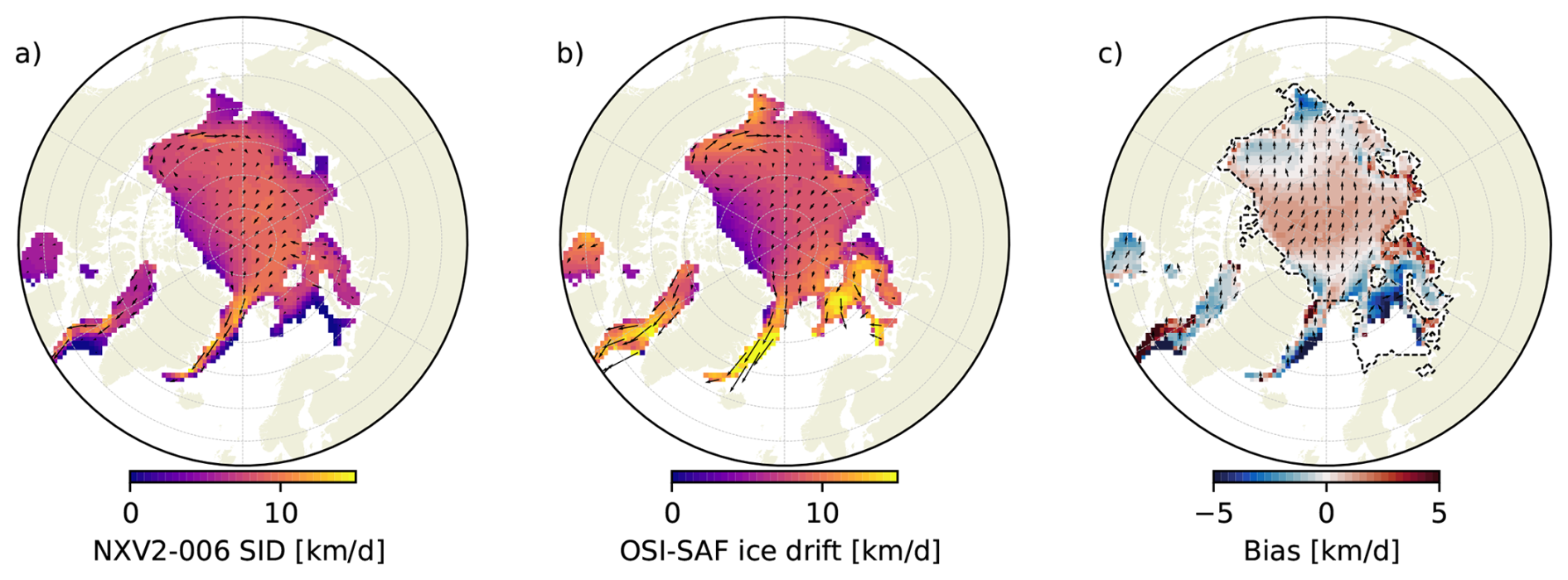
Arctic & Sea Ice
From sea-ice age and drift to exchanges of heat with the atmosphere: testing the processes that shape a rapidly changing region.
Explore this work ↗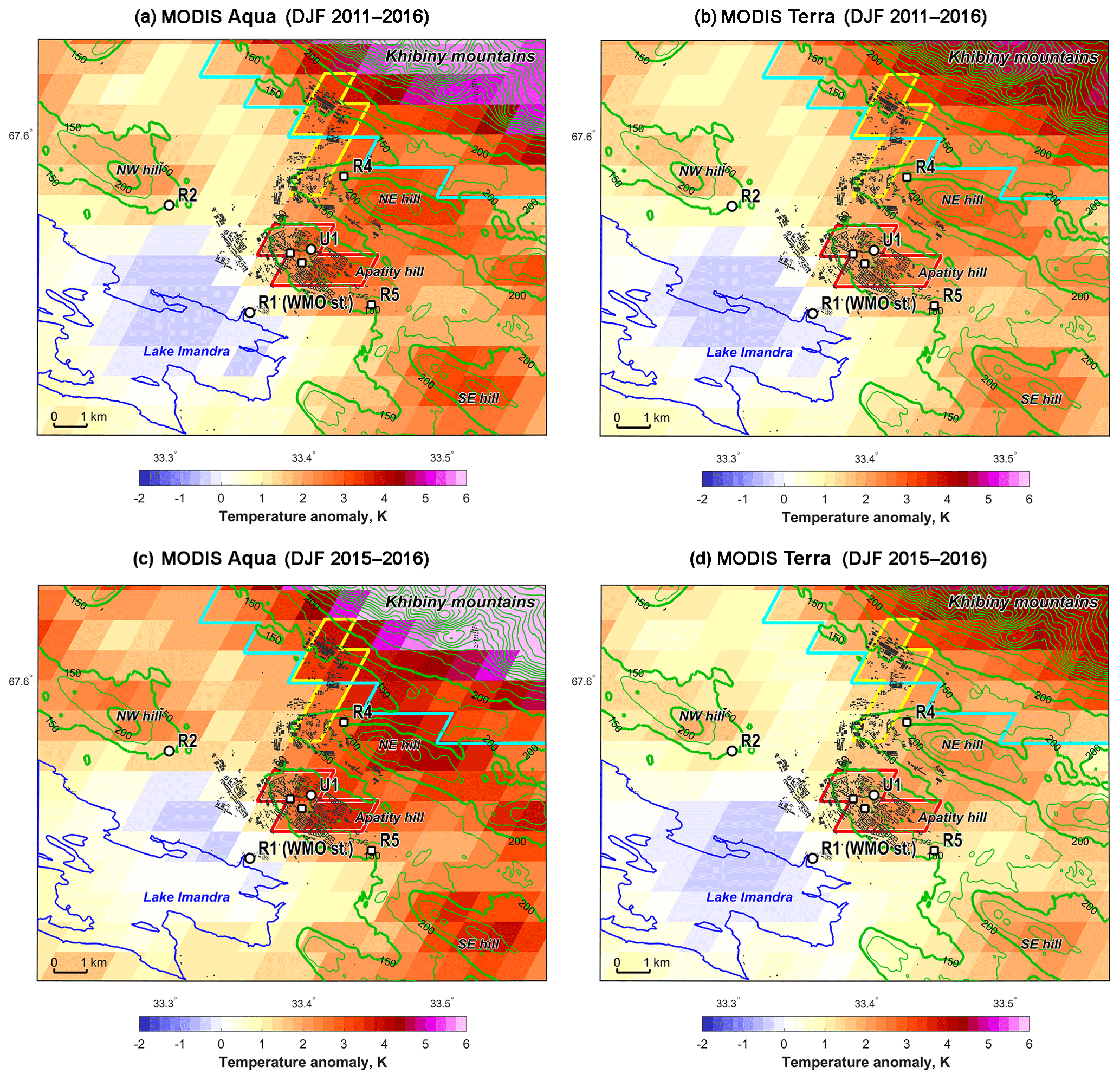
Urban Climate
The atmosphere close to the ground connects northern urban heat islands, warm nights and the design of useful local information.
Explore this work ↗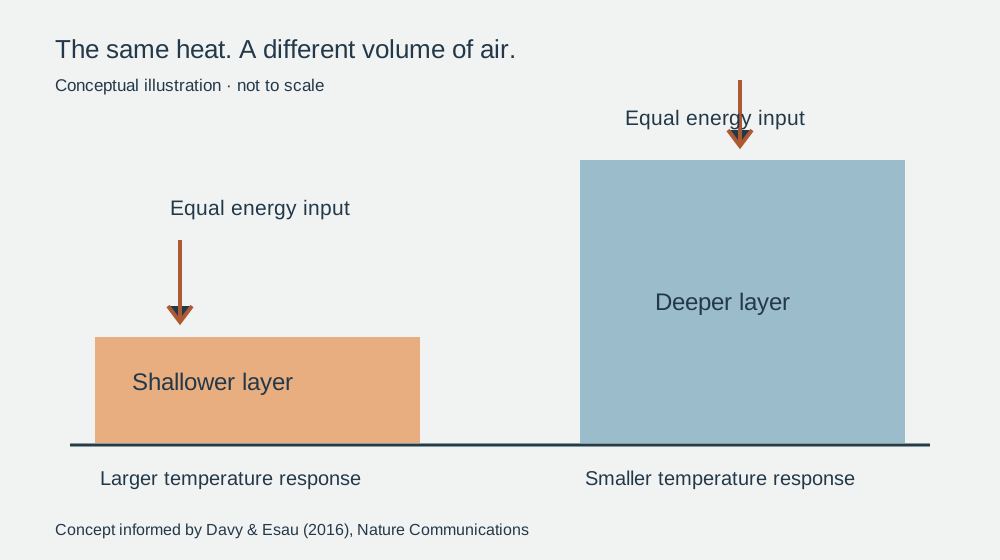
Climate Processes & Models
Boundary-layer physics, temperature variability and careful model evaluation connect mechanisms to the climate patterns we observe.
Explore this work ↗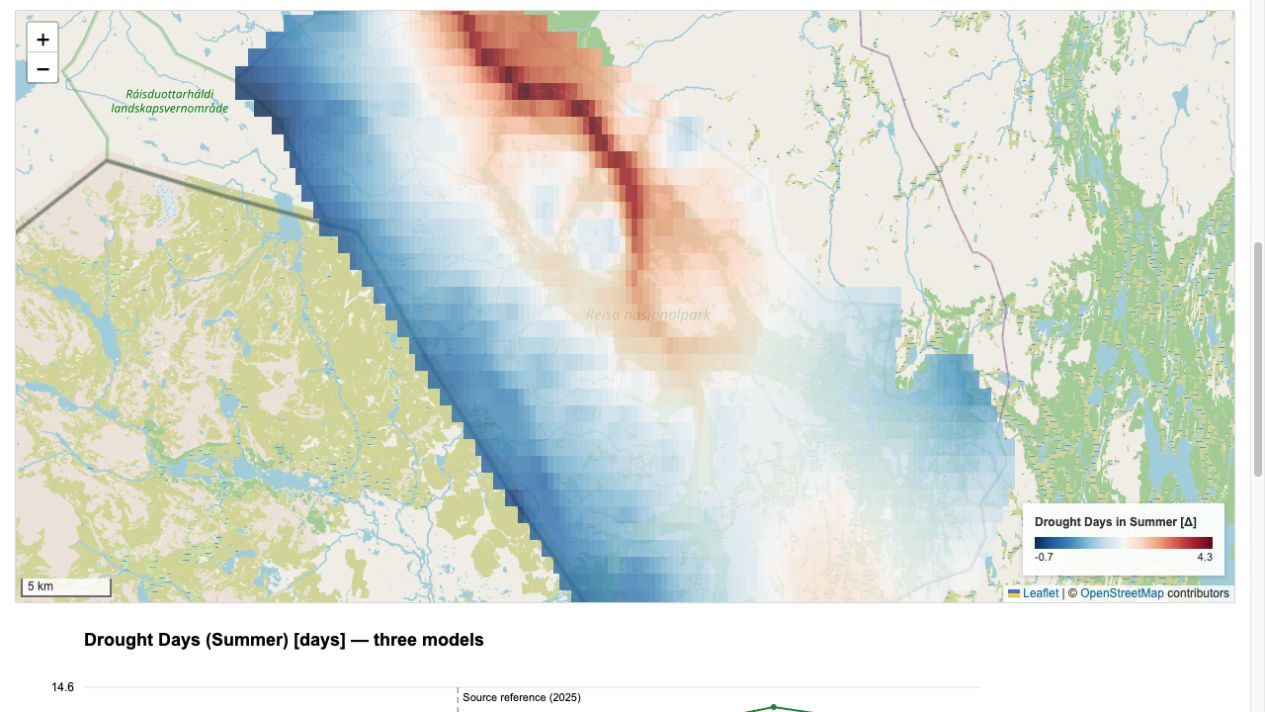
Climate Information & Decision Support
Turn large datasets into inspectable metrics, maps and interfaces, while keeping uncertainty and limitations in view.
Explore this work ↗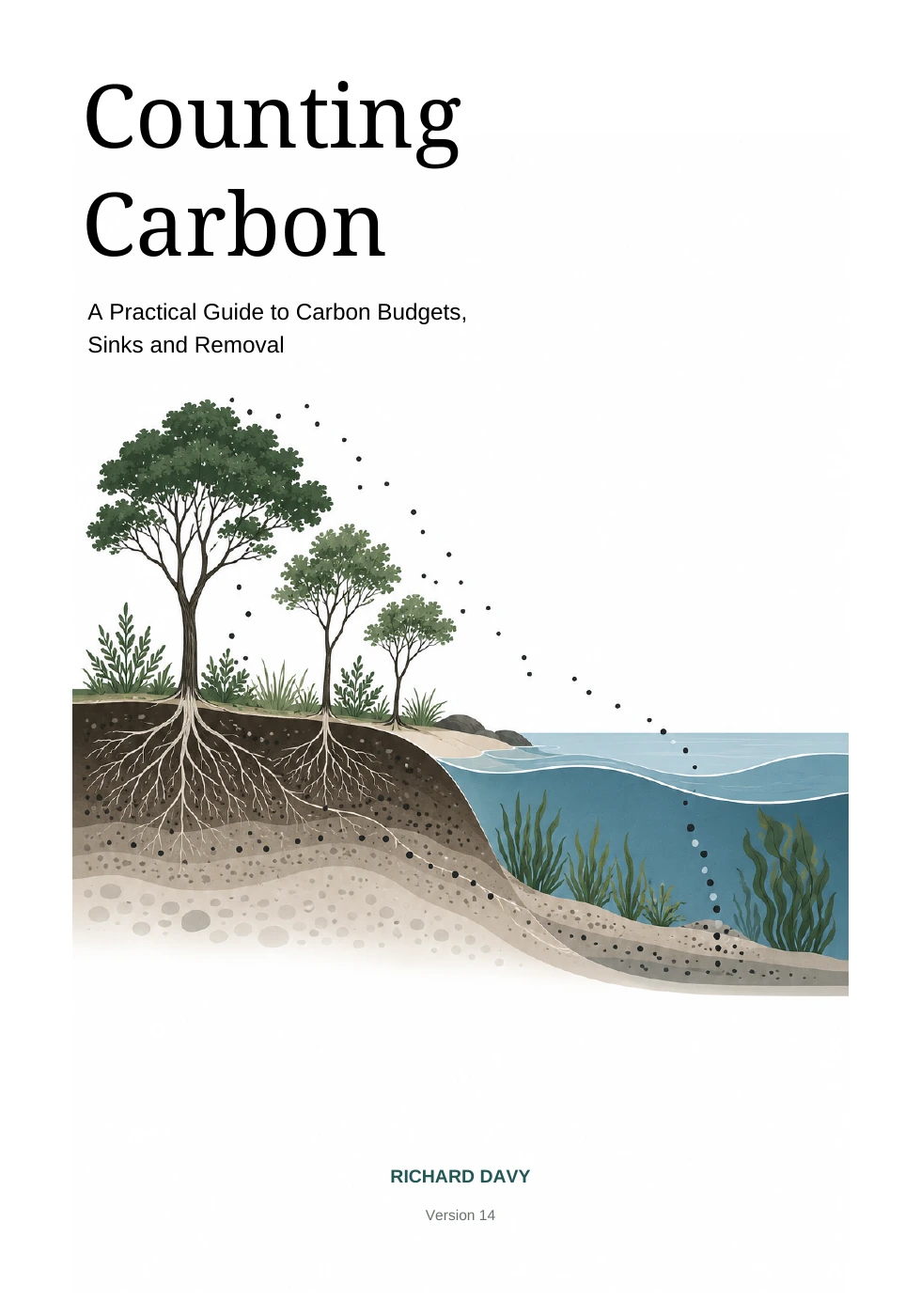
Writing · a quantitative approach
A practical guide to carbon budgets, sinks and removal.
Carbon-management claims arrive in different units, over different periods and with different assumptions. This book brings them into a common frame: tonnes, rates, reservoir capacity, permanence and the resources that approaches share.
Common units. Transparent assumptions. Physical scale checks.
Explore the evidence
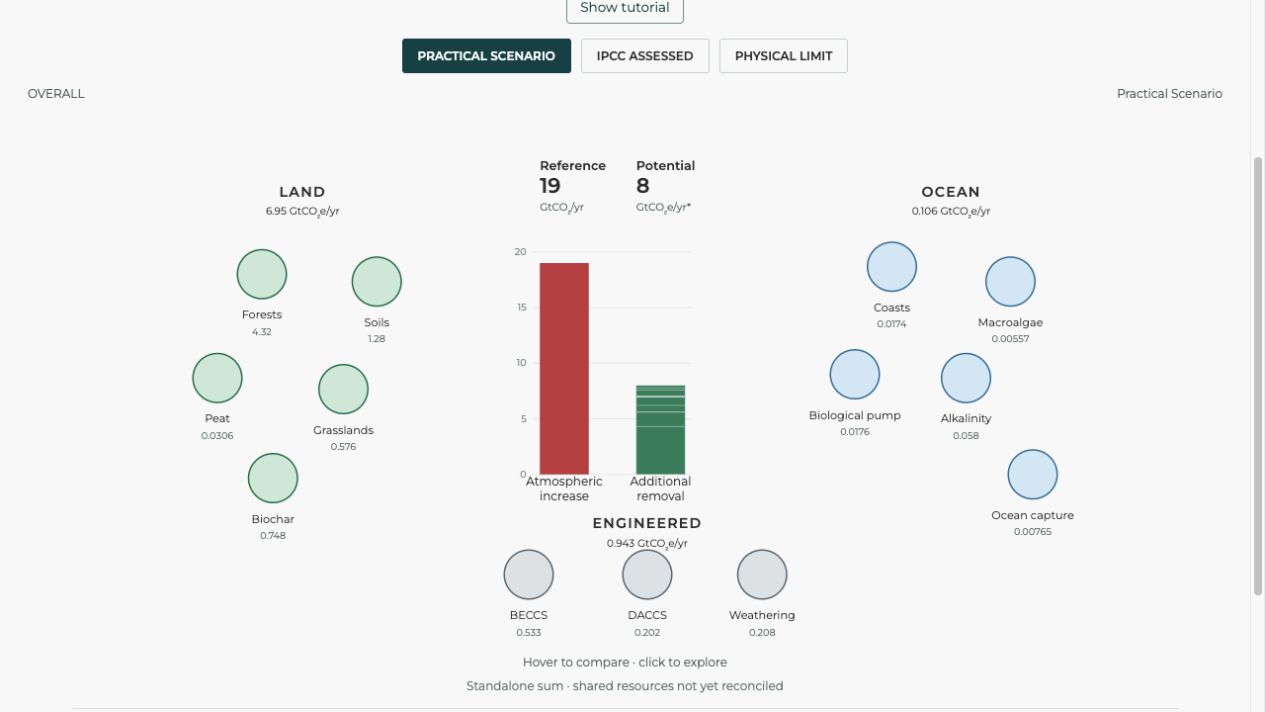
How much can different carbon-management approaches contribute?
Book-based rates, stocks, shared constraints and adjustable assumptions.
Worked scenarios from Counting Carbon; explore the resource and deployment assumptions.
Basemap © OpenStreetMap contributors
How do climate indicators change across future periods?
CNRM, ICHEC and IPSL model cases; supplied park grid and 1970–1990 baseline.
CLAP / Interreg Aurora. Interpret the screening categories alongside the stated thresholds and local evidence.
Basemap © OpenStreetMap contributors
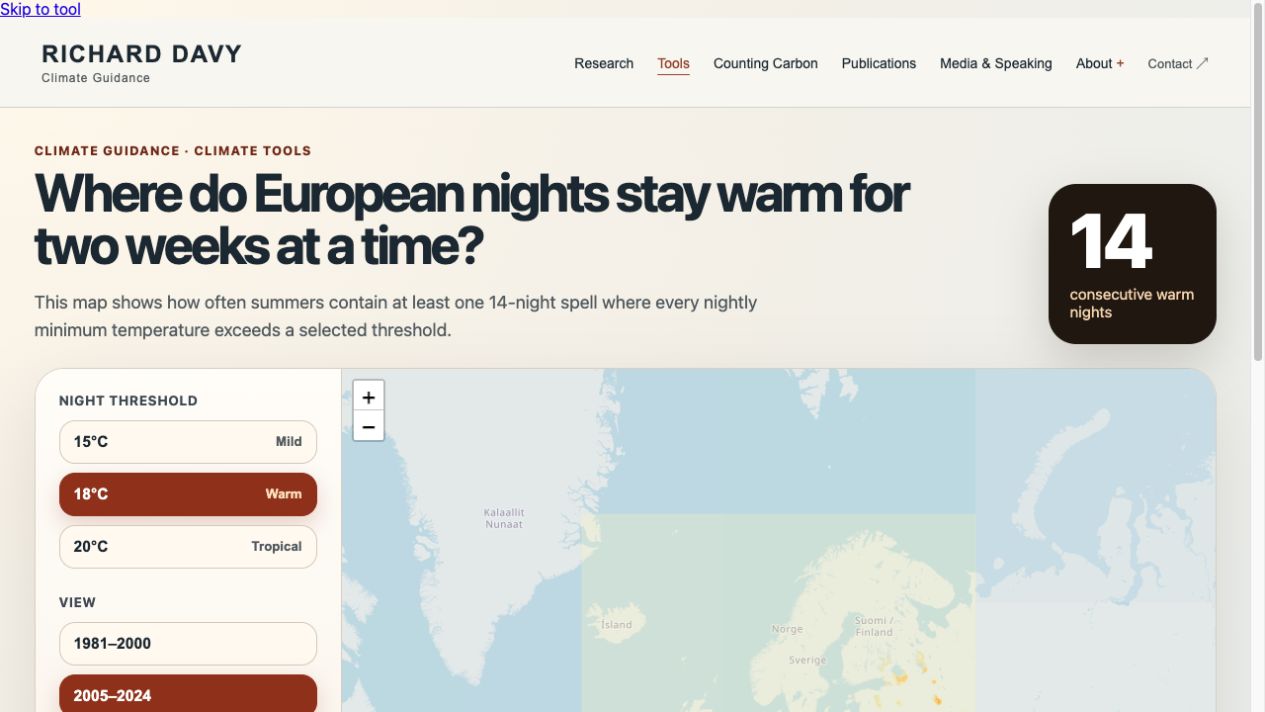
Where are sustained warm-night spells becoming more frequent?
ERA5-Land; 14-night spells at selected minimum-temperature thresholds.
1981–2000 versus 2005–2024. Results describe grid-scale climate conditions.
Selected research
Applying a consistent age-tracking method to observations and models changes how we assess sea-ice dynamics.
A comparison of Arctic surface climate across two generations of global climate models.
The depth of air that receives heat helps explain why equal energy changes produce different surface-temperature responses.
Observations and model experiments separate urban heating from terrain-driven temperature differences in Apatity.
A reproducible route from ERA5 reanalysis to locally relevant climate data, developed with Erik Kusch.
A team-developed model of sea-ice dynamics, including fractures, deformation and interactions with the ocean and atmosphere.
In conversation
Rebecca Hersher interviews Richard about Arctic amplification, sea-ice loss and the challenge for climate models. Independent expert comment on a study by other researchers.
Listen / read ↗A long-form conversation with host Bob Grove about Arctic sea ice and climate-system change. Approximately 50 minutes.
Listen / read ↗An institutional video explaining urban heat islands, surface properties, moisture and the role of vegetation.
View explainer ↗Independent advisory work
I occasionally undertake independent advisory and development work where my research expertise is directly relevant.
Consulting & enquiries ↗